

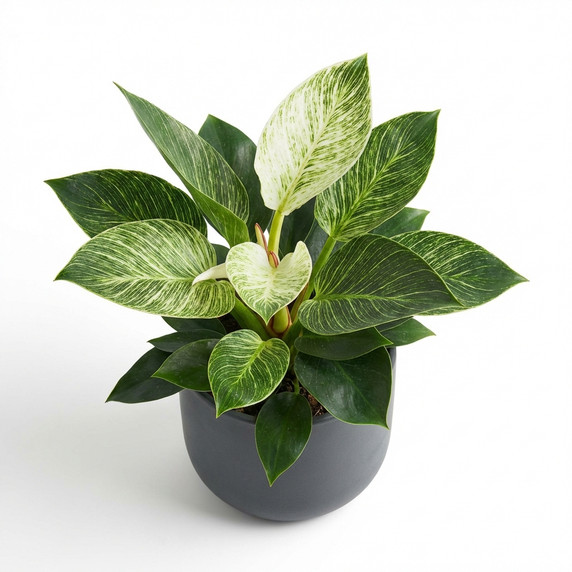


Bring designer-level foliage to your space with Philodendron 'Birkin'. Its crisp cream pinstripes and glossy green leaves elevate desks, shelves, and reception counters instantly. Easy-going and compact, it thrives in bright, indirect light with simple weekly watering—perfect for gifting or upgrading your interior with a premium, collector-loved plant.
Common Name: Birkin Philodendron
Botanical Name: Philodendron 'Birkin'
Former Name: Not available
Plant Type: Foliage houseplant (Aroid)
Plant Code / SKU: PLT-0419
Alternative Names:
None
Order: Alismatales
Family: Araceae
Genus: Philodendron
Philodendron 'Birkin' is a horticultural cultivar first identified in the Netherlands around 2016 by plant breeders. It is not found in the wild and has since become a popular houseplant worldwide, traded through nurseries and specialty growers across North America, Europe, and Asia.
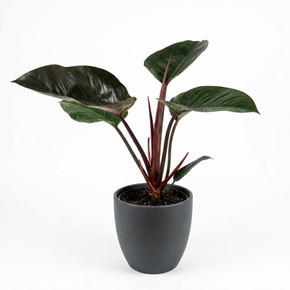
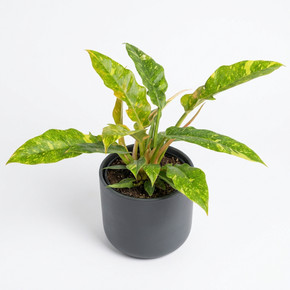
Leaves: Glossy dark green foliage with distinctive white to cream pinstripes that develop as the leaf matures. New leaves may emerge predominantly white or pale before darkening and striping.
Stems: Upright, sturdy green petioles supporting each leaf.
Texture: Smooth, glossy surface with a slightly leathery feel.
Growth Habit: Compact, clumping growth with leaves forming a rosette around a central stem.
Height: Typically reaches 30–45 cm (12–18 in) tall.
Spread: Forms a width of 30–45 cm (12–18 in) at maturity.
Bright, indirect light is ideal to maintain vibrant striping. Avoid direct afternoon sun, which can scorch leaves. Tolerates moderate light but may lose variegation in low-light conditions.
Allow the top 2–3 cm of soil to dry out between waterings. Water thoroughly until excess drains from the pot, then discard any standing water. Reduce frequency in winter when growth slows.
Use a well-draining aroid mix composed of peat or coco coir, perlite, and orchid bark. Repot every 1–2 years or when roots become pot-bound, choosing a container with drainage holes.
Temperature: Prefers 18–27 °C (65–80 °F); avoid temperatures below 15 °C (59 °F).
Humidity: Thrives in 50–70% relative humidity. Brown leaf tips may indicate low humidity; consider misting or a humidifier.
Feed monthly during spring and summer with a balanced liquid fertilizer (e.g., 10-10-10 or 20-20-20) at half the recommended strength. Suspend feeding in fall and winter.
Care Level: Easy to moderate. Low maintenance if light, water, and humidity needs are met. Prune yellowing or damaged leaves as needed.
Propagation is typically by stem cuttings. Select a healthy stem with at least one node, place in water or moist potting mix, and maintain high humidity. Roots develop in 2–4 weeks before potting on.
Overwatering: Can lead to root rot and yellow leaves.
Underwatering: Causes wilting and brown leaf edges.
Low Light: Results in leggy growth and reduced striping.
Pests: Susceptible to spider mites, mealybugs, and aphids; inspect regularly and treat with insecticidal soap if detected.
Philodendron 'Birkin' is valued for its striking foliage, making it an excellent decorative accent for home and office interiors. It also contributes to indoor air purification by filtering common volatile organic compounds.
All parts of the plant contain calcium oxalate crystals and are considered toxic if ingested by pets or humans. Handle with care and keep out of reach of children and animals.
Bring designer-level foliage to your space with Philodendron 'Birkin'. Its crisp cream pinstripes and glossy green leaves elevate desks, shelves, and reception counters instantly. Easy-going and compact, it thrives in bright, indirect light with simple weekly watering—perfect for gifting or upgrading your interior with a premium, collector-loved plant.
Common Name: Birkin Philodendron
Botanical Name: Philodendron 'Birkin'
Former Name: Not available
Plant Type: Foliage houseplant (Aroid)
Plant Code / SKU: PLT-0419
Alternative Names:
None
Order: Alismatales
Family: Araceae
Genus: Philodendron
Philodendron 'Birkin' is a horticultural cultivar first identified in the Netherlands around 2016 by plant breeders. It is not found in the wild and has since become a popular houseplant worldwide, traded through nurseries and specialty growers across North America, Europe, and Asia.
Leaves: Glossy dark green foliage with distinctive white to cream pinstripes that develop as the leaf matures. New leaves may emerge predominantly white or pale before darkening and striping.
Stems: Upright, sturdy green petioles supporting each leaf.
Texture: Smooth, glossy surface with a slightly leathery feel.
Growth Habit: Compact, clumping growth with leaves forming a rosette around a central stem.
Height: Typically reaches 30–45 cm (12–18 in) tall.
Spread: Forms a width of 30–45 cm (12–18 in) at maturity.
Bright, indirect light is ideal to maintain vibrant striping. Avoid direct afternoon sun, which can scorch leaves. Tolerates moderate light but may lose variegation in low-light conditions.
Allow the top 2–3 cm of soil to dry out between waterings. Water thoroughly until excess drains from the pot, then discard any standing water. Reduce frequency in winter when growth slows.
Use a well-draining aroid mix composed of peat or coco coir, perlite, and orchid bark. Repot every 1–2 years or when roots become pot-bound, choosing a container with drainage holes.
Temperature: Prefers 18–27 °C (65–80 °F); avoid temperatures below 15 °C (59 °F).
Humidity: Thrives in 50–70% relative humidity. Brown leaf tips may indicate low humidity; consider misting or a humidifier.
Feed monthly during spring and summer with a balanced liquid fertilizer (e.g., 10-10-10 or 20-20-20) at half the recommended strength. Suspend feeding in fall and winter.
Care Level: Easy to moderate. Low maintenance if light, water, and humidity needs are met. Prune yellowing or damaged leaves as needed.
Propagation is typically by stem cuttings. Select a healthy stem with at least one node, place in water or moist potting mix, and maintain high humidity. Roots develop in 2–4 weeks before potting on.
Overwatering: Can lead to root rot and yellow leaves.
Underwatering: Causes wilting and brown leaf edges.
Low Light: Results in leggy growth and reduced striping.
Pests: Susceptible to spider mites, mealybugs, and aphids; inspect regularly and treat with insecticidal soap if detected.
Philodendron 'Birkin' is valued for its striking foliage, making it an excellent decorative accent for home and office interiors. It also contributes to indoor air purification by filtering common volatile organic compounds.
All parts of the plant contain calcium oxalate crystals and are considered toxic if ingested by pets or humans. Handle with care and keep out of reach of children and animals.





Take 20% off your first order
Enter the code below at checkout to get 20% off your first order