


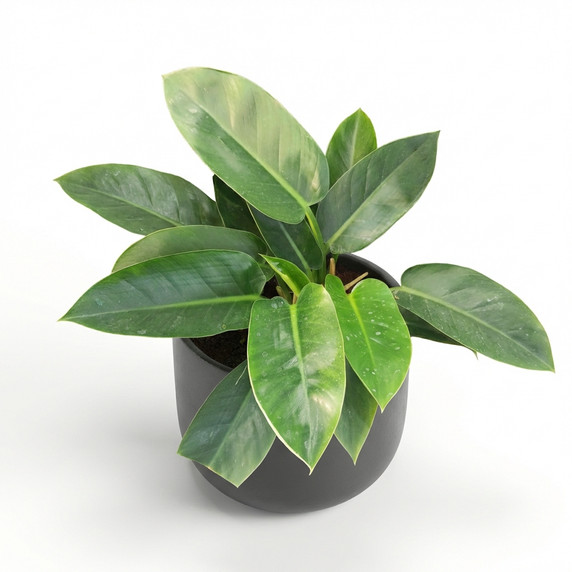
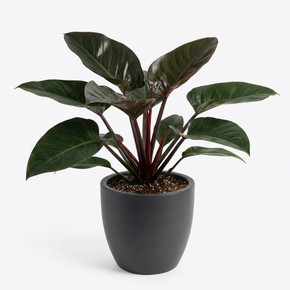


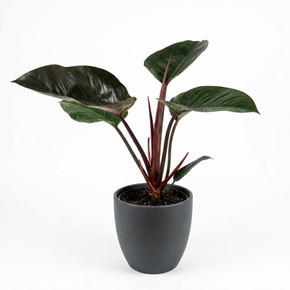
Bring instant tropical impact to any space with Congo Philodendron. Its broad, glossy leaves create a clean, modern statement that looks premium in reception areas, meeting rooms, and living rooms. It’s forgiving, low-maintenance, and thrives in bright indirect to medium light—just water when the top soil dries and enjoy steady, lush growth all year.
Common Name: Congo Philodendron
Botanical Name: Philodendron tatei 'Congo Green'
Former Name: Not available
Plant Type: Foliage houseplant (Araceae)
Plant Code / SKU: PLT-0435
Alternative Names:
Congo Green
Arabic: فيلودندرون
Order: Alismatales
Family: Araceae
Genus: Philodendron
Subgenus: Philodendron
Section: Calostigma
Native to the tropical rainforests of Colombia and Ecuador in northwestern South America. In the wild, found in understory habitats at elevations of 200–1,000 m.
Leaves: Large, elliptic to oblong, glossy dark green; new foliage may emerge with a bronze or reddish tint.
Stems: Upright, sturdy, green to brownish.
Growth Habit: Clumping, self-heading form without major climbing tendency.
Indoor Height: Typically 0.9–1.2 m (3–4 ft).
Spread: 0.6–0.9 m (2–3 ft).
Leaf Length: Up to 30–45 cm (12–18 in).
Prefers bright, indirect light. Tolerates medium light but growth may slow and leaf color may darken. Avoid direct sun to prevent leaf scorch.
Water when the top 2–3 cm of soil feels dry. Maintain evenly moist soil but avoid waterlogged conditions. Reduce frequency in cooler months.
Use a well-draining potting mix rich in organic matter. Ideal mix: peat or coco coir, pine bark fines, and perlite or pumice (2:1:1). Repot every 1–2 years or when root-bound.
Optimal temperature range: 18–29 °C (65–85 °F). Do not expose below 15 °C (59 °F).
Humidity: Prefers high humidity (60–80%). Benefits from regular misting or a pebble tray.
Feed monthly during spring and summer with a balanced liquid fertilizer (e.g., 20-20-20) at half strength. Reduce feeding in fall and winter.
Low to moderate. Prune yellow or damaged leaves as needed. Wipe foliage occasionally to remove dust. Monitor for pests and adjust care if issues arise.
Propagation by stem cuttings: take 10–15 cm cuttings with at least one node, root in water or moist sphagnum moss. Division of clumps during repotting also effective.
Pests: Spider mites, mealybugs, scale.
Diseases: Root rot from overwatering.
Leaf yellowing: Often due to overwatering, low light, or nutrient deficiency.
Attractive ornamental for homes and offices. Helps improve indoor air quality by filtering volatile organic compounds.
Contains calcium oxalate crystals; toxic if ingested by pets or humans. May cause oral irritation, drooling, and gastrointestinal upset. Handle with care and keep out of reach of children and animals.
Bring instant tropical impact to any space with Congo Philodendron. Its broad, glossy leaves create a clean, modern statement that looks premium in reception areas, meeting rooms, and living rooms. It’s forgiving, low-maintenance, and thrives in bright indirect to medium light—just water when the top soil dries and enjoy steady, lush growth all year.
Common Name: Congo Philodendron
Botanical Name: Philodendron tatei 'Congo Green'
Former Name: Not available
Plant Type: Foliage houseplant (Araceae)
Plant Code / SKU: PLT-0435
Alternative Names:
Congo Green
Arabic: فيلودندرون
Order: Alismatales
Family: Araceae
Genus: Philodendron
Subgenus: Philodendron
Section: Calostigma
Native to the tropical rainforests of Colombia and Ecuador in northwestern South America. In the wild, found in understory habitats at elevations of 200–1,000 m.
Leaves: Large, elliptic to oblong, glossy dark green; new foliage may emerge with a bronze or reddish tint.
Stems: Upright, sturdy, green to brownish.
Growth Habit: Clumping, self-heading form without major climbing tendency.
Indoor Height: Typically 0.9–1.2 m (3–4 ft).
Spread: 0.6–0.9 m (2–3 ft).
Leaf Length: Up to 30–45 cm (12–18 in).
Prefers bright, indirect light. Tolerates medium light but growth may slow and leaf color may darken. Avoid direct sun to prevent leaf scorch.
Water when the top 2–3 cm of soil feels dry. Maintain evenly moist soil but avoid waterlogged conditions. Reduce frequency in cooler months.
Use a well-draining potting mix rich in organic matter. Ideal mix: peat or coco coir, pine bark fines, and perlite or pumice (2:1:1). Repot every 1–2 years or when root-bound.
Optimal temperature range: 18–29 °C (65–85 °F). Do not expose below 15 °C (59 °F).
Humidity: Prefers high humidity (60–80%). Benefits from regular misting or a pebble tray.
Feed monthly during spring and summer with a balanced liquid fertilizer (e.g., 20-20-20) at half strength. Reduce feeding in fall and winter.
Low to moderate. Prune yellow or damaged leaves as needed. Wipe foliage occasionally to remove dust. Monitor for pests and adjust care if issues arise.
Propagation by stem cuttings: take 10–15 cm cuttings with at least one node, root in water or moist sphagnum moss. Division of clumps during repotting also effective.
Pests: Spider mites, mealybugs, scale.
Diseases: Root rot from overwatering.
Leaf yellowing: Often due to overwatering, low light, or nutrient deficiency.
Attractive ornamental for homes and offices. Helps improve indoor air quality by filtering volatile organic compounds.
Contains calcium oxalate crystals; toxic if ingested by pets or humans. May cause oral irritation, drooling, and gastrointestinal upset. Handle with care and keep out of reach of children and animals.






Take 20% off your first order
Enter the code below at checkout to get 20% off your first order