






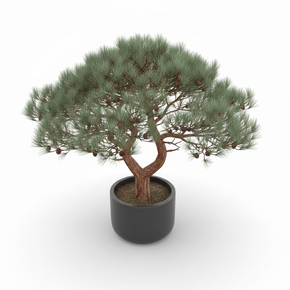
Bring the timeless elegance of the mountains to your home with the Mugo Pine. This charming dwarf conifer is a masterpiece of nature, offering dense, vibrant green foliage all year round. Its compact, resilient nature makes it the ideal choice for patios, balconies, or as a foundational piece in your garden design. Easy to care for and incredibly hardy, the Mugo Pine requires minimal fuss for maximum impact. Create a stunning natural focal point and enjoy a piece of the serene alpine wilderness. Order yours today!
Common Name: Mugo Pine
Botanical Name: Pinus mugo
Former Name: Pinus montana
Plant Type: Coniferous Shrub / Dwarf Tree
Plant Code / SKU: PLT-1699
Alternative Names:
Dwarf Mountain Pine
Swiss Mountain Pine
Creeping Pine
بينوس (Arabic)
Order: Pinales
Family: Pinaceae
Genus: Pinus
Native to the high-elevation mountain regions of Central and Southern Europe, including the Pyrenees, Alps, Apennines, Carpathian Mountains, and Balkan Peninsula.
Foliage: Stiff, dark green needles, approximately 1-3 inches long, that grow in pairs (fascicles of two). Needles persist for several years, giving the plant a dense appearance.
Shape/Form: A low-growing, mounding, and spreading shrub. Its form is often dense and rounded, but can be variable depending on the specific variety.
Flowers/Cones: Produces small, yellowish male cones and small, purplish female cones in spring. Female cones mature into 1-2 inch long, symmetrical, brown, woody seed cones.
Bark: Dark gray to blackish-brown and scaly, becoming more furrowed with age.
Mature Height: Highly variable by cultivar. Typically ranges from 3-5 feet (1-1.5 m), but can reach up to 20 feet (6 m) in its native habitat over many years.
Mature Spread: Often wider than tall, with a spread of 6-10 feet (2-3 m).
Growth Rate: Slow.
Optimal: Full sun (at least 6 hours of direct sunlight per day).
Tolerated: Can tolerate light shade, but growth may become less dense and compact.
Frequency: Water regularly during the first year to establish a strong root system. Once established, it is highly drought-tolerant.
General Guidelines: Prefers well-drained soil. Water deeply but infrequently during extended periods of drought. Avoid overwatering and waterlogged conditions.
Soil Type: Very adaptable and tolerates a wide range of soil types, including sandy, loamy, and clay, as long as it is well-drained.
pH Level: Prefers slightly acidic to neutral soil (pH 6.0 to 7.0), but is tolerant of slightly alkaline conditions.
Potting Mix: For containers, use a high-quality, well-draining potting mix, preferably one formulated for conifers or trees and shrubs.
Temperature Range: Extremely hardy and tolerant of a wide range of temperatures. Thrives in USDA Hardiness Zones 2-7, tolerating very cold winters.
Humidity: Tolerant of a wide range of humidity levels; not particularly sensitive to high or low humidity.
Frequency & Type: Generally does not require fertilizer once established in the ground. If grown in a container or if growth appears stunted, apply a balanced, slow-release fertilizer for evergreen trees and shrubs in early spring.
Care Level: Low. It is a very hardy and low-maintenance plant.
Pruning: Little pruning is necessary. To maintain a more compact size and shape, prune the new growth shoots, known as "candles," in the spring by cutting them in half before the needles fully emerge.
Propagation Methods: Primarily propagated from seed. Specific cultivars are typically propagated by grafting onto a standard Pinus rootstock to ensure the desired characteristics are maintained.
Growth Habit: A dense, multi-stemmed shrub with a mounding or spreading habit.
Pests: Generally pest-resistant but can be susceptible to pine needle scale, sawflies, and various borers.
Diseases: Can be prone to tip blight and rusts, particularly in overly wet or humid conditions with poor air circulation.
Uses: Excellent for foundation plantings, rock gardens, mass plantings, borders, erosion control on slopes, and as a specimen plant. Its dwarf varieties are popular for container gardening and bonsai.
Benefits: Provides year-round color and texture, is extremely hardy, requires minimal maintenance, and is tolerant of urban pollution and salt spray.
For Humans: Generally considered non-toxic. The sap is sticky, and the sharp needles can cause minor skin irritation.
For Pets: According to the ASPCA, pine is non-toxic to dogs, cats, and horses. However, ingesting a large quantity of needles may cause mild gastrointestinal upset.
Bring the timeless elegance of the mountains to your home with the Mugo Pine. This charming dwarf conifer is a masterpiece of nature, offering dense, vibrant green foliage all year round. Its compact, resilient nature makes it the ideal choice for patios, balconies, or as a foundational piece in your garden design. Easy to care for and incredibly hardy, the Mugo Pine requires minimal fuss for maximum impact. Create a stunning natural focal point and enjoy a piece of the serene alpine wilderness. Order yours today!
Common Name: Mugo Pine
Botanical Name: Pinus mugo
Former Name: Pinus montana
Plant Type: Coniferous Shrub / Dwarf Tree
Plant Code / SKU: PLT-1699
Alternative Names:
Dwarf Mountain Pine
Swiss Mountain Pine
Creeping Pine
بينوس (Arabic)
Order: Pinales
Family: Pinaceae
Genus: Pinus
Native to the high-elevation mountain regions of Central and Southern Europe, including the Pyrenees, Alps, Apennines, Carpathian Mountains, and Balkan Peninsula.
Foliage: Stiff, dark green needles, approximately 1-3 inches long, that grow in pairs (fascicles of two). Needles persist for several years, giving the plant a dense appearance.
Shape/Form: A low-growing, mounding, and spreading shrub. Its form is often dense and rounded, but can be variable depending on the specific variety.
Flowers/Cones: Produces small, yellowish male cones and small, purplish female cones in spring. Female cones mature into 1-2 inch long, symmetrical, brown, woody seed cones.
Bark: Dark gray to blackish-brown and scaly, becoming more furrowed with age.
Mature Height: Highly variable by cultivar. Typically ranges from 3-5 feet (1-1.5 m), but can reach up to 20 feet (6 m) in its native habitat over many years.
Mature Spread: Often wider than tall, with a spread of 6-10 feet (2-3 m).
Growth Rate: Slow.
Optimal: Full sun (at least 6 hours of direct sunlight per day).
Tolerated: Can tolerate light shade, but growth may become less dense and compact.
Frequency: Water regularly during the first year to establish a strong root system. Once established, it is highly drought-tolerant.
General Guidelines: Prefers well-drained soil. Water deeply but infrequently during extended periods of drought. Avoid overwatering and waterlogged conditions.
Soil Type: Very adaptable and tolerates a wide range of soil types, including sandy, loamy, and clay, as long as it is well-drained.
pH Level: Prefers slightly acidic to neutral soil (pH 6.0 to 7.0), but is tolerant of slightly alkaline conditions.
Potting Mix: For containers, use a high-quality, well-draining potting mix, preferably one formulated for conifers or trees and shrubs.
Temperature Range: Extremely hardy and tolerant of a wide range of temperatures. Thrives in USDA Hardiness Zones 2-7, tolerating very cold winters.
Humidity: Tolerant of a wide range of humidity levels; not particularly sensitive to high or low humidity.
Frequency & Type: Generally does not require fertilizer once established in the ground. If grown in a container or if growth appears stunted, apply a balanced, slow-release fertilizer for evergreen trees and shrubs in early spring.
Care Level: Low. It is a very hardy and low-maintenance plant.
Pruning: Little pruning is necessary. To maintain a more compact size and shape, prune the new growth shoots, known as "candles," in the spring by cutting them in half before the needles fully emerge.
Propagation Methods: Primarily propagated from seed. Specific cultivars are typically propagated by grafting onto a standard Pinus rootstock to ensure the desired characteristics are maintained.
Growth Habit: A dense, multi-stemmed shrub with a mounding or spreading habit.
Pests: Generally pest-resistant but can be susceptible to pine needle scale, sawflies, and various borers.
Diseases: Can be prone to tip blight and rusts, particularly in overly wet or humid conditions with poor air circulation.
Uses: Excellent for foundation plantings, rock gardens, mass plantings, borders, erosion control on slopes, and as a specimen plant. Its dwarf varieties are popular for container gardening and bonsai.
Benefits: Provides year-round color and texture, is extremely hardy, requires minimal maintenance, and is tolerant of urban pollution and salt spray.
For Humans: Generally considered non-toxic. The sap is sticky, and the sharp needles can cause minor skin irritation.
For Pets: According to the ASPCA, pine is non-toxic to dogs, cats, and horses. However, ingesting a large quantity of needles may cause mild gastrointestinal upset.

Take 20% off your first order
Enter the code below at checkout to get 20% off your first order