


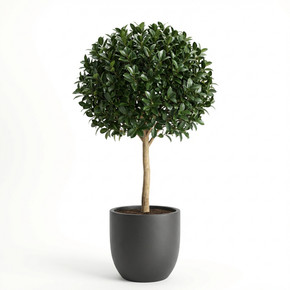


Bring home the signature fragrance of Arabian Jasmine. This elegant, evergreen potted shrub produces clusters of pure white, sweetly scented flowers and looks stunning in a modern entryway or on a sunny balcony. Easy to shape, easy to love—give it bright light, consistent watering, and a little feed, and enjoy repeat blooms that make any space feel instantly welcoming.
Common Name: Arabian Jasmine
Botanical Name: Jasminum sambac
Former Name: Not available
Plant Type: Evergreen flowering shrub (potted houseplant)
Plant Code / SKU: PLT-0201
Alternative Names:
Mogra
Sambac jasmine
Gundumalli
Motia
Puspa
ياس
Order: Lamiales
Family: Oleaceae
Genus: Jasminum
Species: sambac
Native to South Asia (India and Sri Lanka) and the Indomalayan region; widely cultivated and naturalized across tropical and subtropical areas worldwide, including Southeast Asia, China, Pacific Islands, and ornamental plantings in warm temperate zones.
Habit: Evergreen shrub or twining climber
Leaves: Opposite, simple, ovate to elliptic, 2–4 cm long, glossy dark green
Stems: Woody, slender, often arching or twining
Flowers: Clusters of 5–12 pure white, highly fragrant, waxy tubular corollas with five to nine lobes, each bloom ~2 cm diameter
Fruit: Small red to black fleshy berries (rare in cultivation)
Height: 0.5–1 m (1.5–3 ft) in containers; can reach up to 3 m when trained outdoors
Spread: 0.5–1 m (1.5–3 ft)
Flower diameter: ~2 cm
Typical pot size: 15–25 cm diameter
Thrives in full sun to partial shade; at least 4–6 hours of direct morning sun or bright indirect light indoors; protect from harsh afternoon sun to prevent leaf scorch.
Keep soil evenly moist but not waterlogged; water when the top 2 cm of soil begins to dry; reduce frequency slightly in winter but avoid allowing the plant to dry out completely.
Use a rich, well-draining potting mix (pH 6.0–7.5) amended with organic matter (peat, compost) and perlite or coarse sand for drainage; repot every 2–3 years or when root-bound.
Optimal temperature: 18–30 °C (65–86 °F); minimum 15 °C (59 °F); not frost-tolerant. Prefers moderate to high humidity (50–70%); benefits from occasional misting in dry indoor environments.
Feed with a balanced, water-soluble fertilizer (e.g., 10-10-10) every 4–6 weeks during the growing season (spring to early autumn); for enhanced flowering, use a higher-phosphorus formula (e.g., 10-30-10); reduce feeding in winter.
Care level: Moderate. Requires regular pruning to maintain shape and encourage branching; deadhead spent flowers to promote reblooming; monitor for pests; repot every few years.
Propagate by semi-hardwood cuttings (8–10 cm) with leaf nodes, dipped in rooting hormone and placed in a moist medium at 21–25 °C (70–77 °F); roots develop in 4–6 weeks. Layering and air-layering are also effective; seed propagation is slow and less common.
Pests: Aphids, whiteflies, scale insects, spider mites; treat with insecticidal soap or neem oil.
Diseases: Root rot from overwatering, leaf spot under high humidity and poor air circulation; ensure proper drainage and airflow.
Physiological issues: Yellowing leaves from overwatering or nutrient deficiency; adjust care accordingly.
Highly fragrant flowers used in perfumery, essential oils, and traditional garlands; blossoms used in teas and desserts; valued as an ornamental houseplant; aromatherapy for mood enhancement; potential antiseptic properties.
Generally considered non-toxic to humans and pets; ingestion may cause mild gastrointestinal discomfort; safe for homes with children and animals when kept out of reach.
Bring home the signature fragrance of Arabian Jasmine. This elegant, evergreen potted shrub produces clusters of pure white, sweetly scented flowers and looks stunning in a modern entryway or on a sunny balcony. Easy to shape, easy to love—give it bright light, consistent watering, and a little feed, and enjoy repeat blooms that make any space feel instantly welcoming.
Common Name: Arabian Jasmine
Botanical Name: Jasminum sambac
Former Name: Not available
Plant Type: Evergreen flowering shrub (potted houseplant)
Plant Code / SKU: PLT-0201
Alternative Names:
Mogra
Sambac jasmine
Gundumalli
Motia
Puspa
ياس
Order: Lamiales
Family: Oleaceae
Genus: Jasminum
Species: sambac
Native to South Asia (India and Sri Lanka) and the Indomalayan region; widely cultivated and naturalized across tropical and subtropical areas worldwide, including Southeast Asia, China, Pacific Islands, and ornamental plantings in warm temperate zones.
Habit: Evergreen shrub or twining climber
Leaves: Opposite, simple, ovate to elliptic, 2–4 cm long, glossy dark green
Stems: Woody, slender, often arching or twining
Flowers: Clusters of 5–12 pure white, highly fragrant, waxy tubular corollas with five to nine lobes, each bloom ~2 cm diameter
Fruit: Small red to black fleshy berries (rare in cultivation)
Height: 0.5–1 m (1.5–3 ft) in containers; can reach up to 3 m when trained outdoors
Spread: 0.5–1 m (1.5–3 ft)
Flower diameter: ~2 cm
Typical pot size: 15–25 cm diameter
Thrives in full sun to partial shade; at least 4–6 hours of direct morning sun or bright indirect light indoors; protect from harsh afternoon sun to prevent leaf scorch.
Keep soil evenly moist but not waterlogged; water when the top 2 cm of soil begins to dry; reduce frequency slightly in winter but avoid allowing the plant to dry out completely.
Use a rich, well-draining potting mix (pH 6.0–7.5) amended with organic matter (peat, compost) and perlite or coarse sand for drainage; repot every 2–3 years or when root-bound.
Optimal temperature: 18–30 °C (65–86 °F); minimum 15 °C (59 °F); not frost-tolerant. Prefers moderate to high humidity (50–70%); benefits from occasional misting in dry indoor environments.
Feed with a balanced, water-soluble fertilizer (e.g., 10-10-10) every 4–6 weeks during the growing season (spring to early autumn); for enhanced flowering, use a higher-phosphorus formula (e.g., 10-30-10); reduce feeding in winter.
Care level: Moderate. Requires regular pruning to maintain shape and encourage branching; deadhead spent flowers to promote reblooming; monitor for pests; repot every few years.
Propagate by semi-hardwood cuttings (8–10 cm) with leaf nodes, dipped in rooting hormone and placed in a moist medium at 21–25 °C (70–77 °F); roots develop in 4–6 weeks. Layering and air-layering are also effective; seed propagation is slow and less common.
Pests: Aphids, whiteflies, scale insects, spider mites; treat with insecticidal soap or neem oil.
Diseases: Root rot from overwatering, leaf spot under high humidity and poor air circulation; ensure proper drainage and airflow.
Physiological issues: Yellowing leaves from overwatering or nutrient deficiency; adjust care accordingly.
Highly fragrant flowers used in perfumery, essential oils, and traditional garlands; blossoms used in teas and desserts; valued as an ornamental houseplant; aromatherapy for mood enhancement; potential antiseptic properties.
Generally considered non-toxic to humans and pets; ingestion may cause mild gastrointestinal discomfort; safe for homes with children and animals when kept out of reach.

Take 20% off your first order
Enter the code below at checkout to get 20% off your first order