


Poinsettia
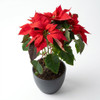
Make any space feel instantly festive with Poinsettia (بنت القنصل). Its lush green leaves and vibrant red bracts create a premium statement for living rooms, entryways, and office receptions. Easy to enjoy with bright indirect light and simple watering—perfect as a seasonal gift or a bold décor upgrade. Note: keep away from children and pets due to its irritating sap.
1. Basic Identification
Common Name: Poinsettia / بنت القنصل
Botanical Name: Euphorbia pulcherrima
Arabic Name: بنت القنصل
Family: Euphorbiaceae
2. Taxonomy & Classification
Kingdom: Plantae
Order: Malpighiales
Family: Euphorbiaceae
Genus: Euphorbia
Species: E. pulcherrima
The Poinsettia is a member of the diverse spurge family and is one of the most economically significant potted plants worldwide.
3. Origin & Distribution
Native to Mexico and Central America, specifically found in deciduous tropical forests at moderate elevations. It was introduced to the United States in the 1820s by Joel Roberts Poinsett.
4. Visual Characteristics
The plant features large, dark green, pointed leaves. Its most striking feature is the colored bracts (modified leaves) which are typically fiery red but can also be pink, white, or cream. The actual flowers are the small, yellow, bud-like structures called cyathia located at the center of the leaf clusters.
5. Size & Dimensions
In its native outdoor environment, it can grow into a large shrub reaching 3 to 4 meters (10 to 15 feet). As a cultivated indoor plant, it is typically kept between 30 to 60 centimeters (1 to 2 feet) in height.
6. Light Requirements
Prefers bright, indirect light. It requires at least 6 hours of indirect sunlight daily to maintain its vibrant bract colors. Direct mid-day sun should be avoided as it can scorch the foliage.
7. Watering Needs
Water the plant when the soil surface feels dry to the touch. Ensure the pot has drainage holes and never allow the plant to sit in water. Overwatering can quickly lead to root rot and leaf drop.
8. Soil & Potting
Requires a well-draining, lightweight potting mix, such as a peat-based medium with perlite. A slightly acidic soil pH (around 5.8 to 6.2) is ideal.
9. Temperature & Humidity
Thrives in temperatures between 16°C and 22°C (60-72°F). It is sensitive to cold drafts and sudden temperature drops. Moderate humidity is beneficial; if the air is very dry, use a pebble tray or humidifier.
10. Fertilization
Fertilizing is generally not necessary during the blooming period. Once the blooming phase ends and new growth begins in spring, use a balanced, water-soluble fertilizer every 3 to 4 weeks.
11. Maintenance & Care Level
Classified as easy for seasonal enjoyment. However, maintaining the plant year-round and encouraging it to "re-bloom" (turn red) requires a specific light-dark cycle (photoperiodism) starting in autumn.
12. Growth & Propagation
Moderate growth rate. Propagation is commonly achieved through stem cuttings taken in early summer. Using a rooting hormone and maintaining high humidity around the cutting will increase success rates.
13. Common Problems
Frequent issues include leaf drop caused by cold drafts or soil that is too dry/wet. Common pests include whiteflies, fungus gnats, and spider mites. Yellowing leaves often indicate a drainage or nutrient problem.
14. Benefits & Uses
Primarily used as a decorative ornamental plant for winter festivities and holiday décor. It is highly valued for its intense color and ability to brighten indoor spaces during the winter months.
15. Toxicity & Safety
Mildly toxic to both humans and pets. The milky white sap contains latex and can cause skin irritation or rashes upon contact. If ingested, it may cause mild stomach upset, nausea, or vomiting. Keep out of reach of children and curious pets.
Poinsettia

Make any space feel instantly festive with Poinsettia (بنت القنصل). Its lush green leaves and vibrant red bracts create a premium statement for living rooms, entryways, and office receptions. Easy to enjoy with bright indirect light and simple watering—perfect as a seasonal gift or a bold décor upgrade. Note: keep away from children and pets due to its irritating sap.
1. Basic Identification
Common Name: Poinsettia / بنت القنصل
Botanical Name: Euphorbia pulcherrima
Arabic Name: بنت القنصل
Family: Euphorbiaceae
2. Taxonomy & Classification
Kingdom: Plantae
Order: Malpighiales
Family: Euphorbiaceae
Genus: Euphorbia
Species: E. pulcherrima
The Poinsettia is a member of the diverse spurge family and is one of the most economically significant potted plants worldwide.
3. Origin & Distribution
Native to Mexico and Central America, specifically found in deciduous tropical forests at moderate elevations. It was introduced to the United States in the 1820s by Joel Roberts Poinsett.
4. Visual Characteristics
The plant features large, dark green, pointed leaves. Its most striking feature is the colored bracts (modified leaves) which are typically fiery red but can also be pink, white, or cream. The actual flowers are the small, yellow, bud-like structures called cyathia located at the center of the leaf clusters.
5. Size & Dimensions
In its native outdoor environment, it can grow into a large shrub reaching 3 to 4 meters (10 to 15 feet). As a cultivated indoor plant, it is typically kept between 30 to 60 centimeters (1 to 2 feet) in height.
6. Light Requirements
Prefers bright, indirect light. It requires at least 6 hours of indirect sunlight daily to maintain its vibrant bract colors. Direct mid-day sun should be avoided as it can scorch the foliage.
7. Watering Needs
Water the plant when the soil surface feels dry to the touch. Ensure the pot has drainage holes and never allow the plant to sit in water. Overwatering can quickly lead to root rot and leaf drop.
8. Soil & Potting
Requires a well-draining, lightweight potting mix, such as a peat-based medium with perlite. A slightly acidic soil pH (around 5.8 to 6.2) is ideal.
9. Temperature & Humidity
Thrives in temperatures between 16°C and 22°C (60-72°F). It is sensitive to cold drafts and sudden temperature drops. Moderate humidity is beneficial; if the air is very dry, use a pebble tray or humidifier.
10. Fertilization
Fertilizing is generally not necessary during the blooming period. Once the blooming phase ends and new growth begins in spring, use a balanced, water-soluble fertilizer every 3 to 4 weeks.
11. Maintenance & Care Level
Classified as easy for seasonal enjoyment. However, maintaining the plant year-round and encouraging it to "re-bloom" (turn red) requires a specific light-dark cycle (photoperiodism) starting in autumn.
12. Growth & Propagation
Moderate growth rate. Propagation is commonly achieved through stem cuttings taken in early summer. Using a rooting hormone and maintaining high humidity around the cutting will increase success rates.
13. Common Problems
Frequent issues include leaf drop caused by cold drafts or soil that is too dry/wet. Common pests include whiteflies, fungus gnats, and spider mites. Yellowing leaves often indicate a drainage or nutrient problem.
14. Benefits & Uses
Primarily used as a decorative ornamental plant for winter festivities and holiday décor. It is highly valued for its intense color and ability to brighten indoor spaces during the winter months.
15. Toxicity & Safety
Mildly toxic to both humans and pets. The milky white sap contains latex and can cause skin irritation or rashes upon contact. If ingested, it may cause mild stomach upset, nausea, or vomiting. Keep out of reach of children and curious pets.