


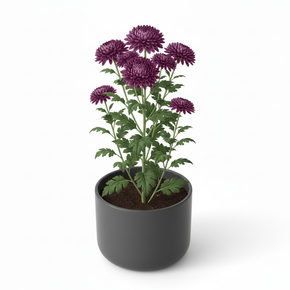




Transform your space with the electrifying color of the Purple Passion Plant! Its mesmerizing, velvety leaves shimmer with a deep purple hue over a rich green base, creating a visual masterpiece. Perfectly suited for a hanging basket where its trailing vines can be admired, this Gynura aurantiaca is not just a plant—it's a living piece of art. Best of all, it's completely pet-safe, so you can enjoy its unique beauty without worry. Easy to propagate and a joy to watch grow, it's the perfect statement plant to bring energy and style to your home or office.
Common Name: Purple Passion Plant, Velvet Plant
Botanical Name: Gynura aurantiaca
Arabic Name: جينورا
Plant Variant: Standard
Plant Color: Multicolor
Plant Country: Netherlands
Family: Asteraceae
The Purple Passion Plant belongs to the Kingdom Plantae, Order Asterales, and the Family Asteraceae (the Daisy family). Its botanical name, Gynura aurantiaca, refers to its "golden" or "orange" flowers (aurantiaca), though it is primarily grown for its foliage.
This plant is native to Southeast Asia, specifically the island of Java in Indonesia. It has been naturalized in various tropical regions and is widely cultivated as a popular houseplant in temperate climates globally.
The defining feature of Gynura aurantiaca is its foliage. The dark green leaves are covered in thousands of tiny, soft purple hairs that catch the light, giving the plant a glowing, velvet-like appearance. The undersides of the leaves and the stems also exhibit this purple fuzz. It produces small, orange, brush-like flowers that are often removed due to their scent.
When grown indoors, it typically reaches about 1 to 2 feet in height if kept upright. However, its stems naturally trail or climb, often reaching lengths of 2 to 4 feet, making it an excellent candidate for hanging displays.
To maintain its intense purple coloration, the plant requires bright, indirect light. If the light is too low, the plant will lose its purple color and become leggy. Avoid direct midday sun, which can burn the delicate leaves.
Keep the soil consistently moist during the active growing season (spring and summer), but ensure the pot has excellent drainage. Reduce watering in the winter. Avoid splashing water directly on the velvety leaves, as trapped moisture can lead to rot.
A well-draining, peat-based potting mix is ideal. A standard high-quality indoor potting soil mixed with a bit of perlite or vermiculite provides the necessary aeration and moisture retention.
The Purple Passion Plant thrives in temperatures between 60°F and 75°F (15°C–24°C). It enjoys moderate to high humidity. While it appreciates humidity, avoid misting the leaves; use a humidity tray or a room humidifier instead.
Apply a balanced, water-soluble fertilizer every two weeks during the spring and summer. Dilute the fertilizer to half-strength to prevent nutrient burn. Minimal fertilization is needed during the dormant winter months.
Moderate care level. The plant requires regular "pinching back" of the stems to encourage a bushier growth habit and prevent it from becoming overly spindly. It is a relatively short-lived perennial, often reaching its peak beauty within 2-3 years.
It is a fast grower. Propagation is exceptionally easy via stem cuttings. Cuttings can be rooted directly in water or moist soil within a few weeks, making it simple to start new plants once the parent plant begins to age.
The plant can be susceptible to aphids, spider mites, and mealybugs. Overwatering is the most common cause of failure, leading to root or stem rot. If the plant loses its purple shimmer, it usually indicates a need for more light.
Primarily used for interior decoration, its unique color and texture make it a standout "statement" plant. It is frequently used in hanging baskets, on shelves, or in mixed containers. Like many indoor plants, it helps improve air quality through natural respiration.
Gynura aurantiaca is non-toxic to cats, dogs, and horses, according to the ASPCA. It is also generally considered safe for humans, making it an ideal choice for households with pets or children.
Transform your space with the electrifying color of the Purple Passion Plant! Its mesmerizing, velvety leaves shimmer with a deep purple hue over a rich green base, creating a visual masterpiece. Perfectly suited for a hanging basket where its trailing vines can be admired, this Gynura aurantiaca is not just a plant—it's a living piece of art. Best of all, it's completely pet-safe, so you can enjoy its unique beauty without worry. Easy to propagate and a joy to watch grow, it's the perfect statement plant to bring energy and style to your home or office.
Common Name: Purple Passion Plant, Velvet Plant
Botanical Name: Gynura aurantiaca
Arabic Name: جينورا
Plant Variant: Standard
Plant Color: Multicolor
Plant Country: Netherlands
Family: Asteraceae
The Purple Passion Plant belongs to the Kingdom Plantae, Order Asterales, and the Family Asteraceae (the Daisy family). Its botanical name, Gynura aurantiaca, refers to its "golden" or "orange" flowers (aurantiaca), though it is primarily grown for its foliage.
This plant is native to Southeast Asia, specifically the island of Java in Indonesia. It has been naturalized in various tropical regions and is widely cultivated as a popular houseplant in temperate climates globally.
The defining feature of Gynura aurantiaca is its foliage. The dark green leaves are covered in thousands of tiny, soft purple hairs that catch the light, giving the plant a glowing, velvet-like appearance. The undersides of the leaves and the stems also exhibit this purple fuzz. It produces small, orange, brush-like flowers that are often removed due to their scent.
When grown indoors, it typically reaches about 1 to 2 feet in height if kept upright. However, its stems naturally trail or climb, often reaching lengths of 2 to 4 feet, making it an excellent candidate for hanging displays.
To maintain its intense purple coloration, the plant requires bright, indirect light. If the light is too low, the plant will lose its purple color and become leggy. Avoid direct midday sun, which can burn the delicate leaves.
Keep the soil consistently moist during the active growing season (spring and summer), but ensure the pot has excellent drainage. Reduce watering in the winter. Avoid splashing water directly on the velvety leaves, as trapped moisture can lead to rot.
A well-draining, peat-based potting mix is ideal. A standard high-quality indoor potting soil mixed with a bit of perlite or vermiculite provides the necessary aeration and moisture retention.
The Purple Passion Plant thrives in temperatures between 60°F and 75°F (15°C–24°C). It enjoys moderate to high humidity. While it appreciates humidity, avoid misting the leaves; use a humidity tray or a room humidifier instead.
Apply a balanced, water-soluble fertilizer every two weeks during the spring and summer. Dilute the fertilizer to half-strength to prevent nutrient burn. Minimal fertilization is needed during the dormant winter months.
Moderate care level. The plant requires regular "pinching back" of the stems to encourage a bushier growth habit and prevent it from becoming overly spindly. It is a relatively short-lived perennial, often reaching its peak beauty within 2-3 years.
It is a fast grower. Propagation is exceptionally easy via stem cuttings. Cuttings can be rooted directly in water or moist soil within a few weeks, making it simple to start new plants once the parent plant begins to age.
The plant can be susceptible to aphids, spider mites, and mealybugs. Overwatering is the most common cause of failure, leading to root or stem rot. If the plant loses its purple shimmer, it usually indicates a need for more light.
Primarily used for interior decoration, its unique color and texture make it a standout "statement" plant. It is frequently used in hanging baskets, on shelves, or in mixed containers. Like many indoor plants, it helps improve air quality through natural respiration.
Gynura aurantiaca is non-toxic to cats, dogs, and horses, according to the ASPCA. It is also generally considered safe for humans, making it an ideal choice for households with pets or children.
Take 20% off your first order
Enter the code below at checkout to get 20% off your first order