


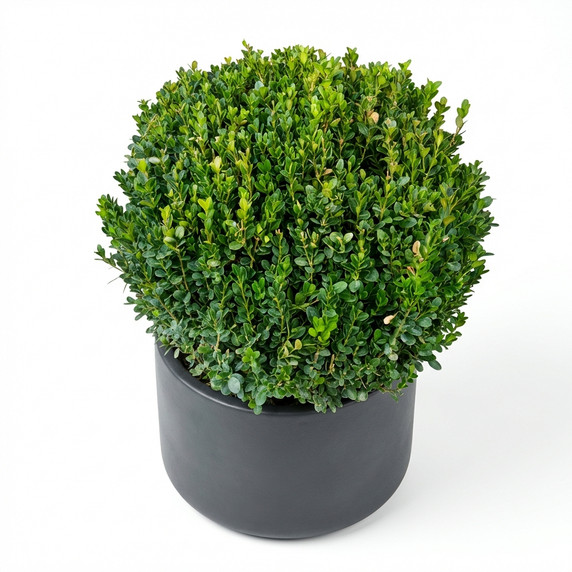
Pyramidal Boxwood 'Pyramidal Topiary'
The Philodendron Sellum, also known as the Tree Philodendron, is a stunning tropical plant that brings a lush, jungle feel to any space. With its large, deeply lobed leaves and impressive size, it serves as a magnificent focal point for homes, offices, or patio gardens.
1. Basic Identification
Common Name: Philodendron Sellum, Tree Philodendron, Lacy Tree Philodendron
Botanical Name: Thaumatophyllum bipinnatifidum
Arabic Name: فيلوديندرون سيلوم
2. Taxonomy & Classification
Kingdom: Plantae
Order: Alismatales
Family: Araceae
Genus: Thaumatophyllum (formerly Philodendron)
3. Origin & Distribution
Native to South America, specifically Brazil, Paraguay, Bolivia, and Argentina. It thrives in tropical and subtropical climates and has been naturalized in many warm regions globally.
4. Visual Characteristics
Features large, glossy, dark green leaves that are deeply incised and pinnately lobed. As the plant matures, it develops a thick, semi-woody stem marked with eye-shaped scars from fallen leaves.
5. Size & Dimensions
Indoors, it typically reaches 5 to 8 feet in height and width. Outdoors in optimal tropical conditions, it can spread over 10 feet wide with a substantial trunk.
6. Light Requirements
Prefers bright, indirect sunlight. It can tolerate some direct morning sun, but intense midday sun can scorch its large leaves. It can adapt to medium light but may grow more slowly.
7. Watering Needs
Requires regular watering to keep the soil consistently moist but not waterlogged. Allow the top 1-2 inches of soil to dry out before watering again. Reduce frequency during the winter months.
8. Soil & Potting
Thrives in rich, well-draining potting soil with high organic matter. A mixture of peat moss, perlite, and pine bark is recommended to provide both aeration and moisture retention.
9. Temperature & Humidity
Optimal temperatures range between 65°F and 80°F (18°C–27°C). It prefers high humidity levels (50% or higher); misting leaves or using a humidifier can help maintain its health in dry environments.
10. Fertilization
Feed with a balanced, water-soluble fertilizer every 4–6 weeks during the active growing season (spring and summer). No fertilization is needed during the dormant winter season.
11. Maintenance & Care Level
Maintenance level is Low to Moderate. Tasks include wiping the large leaves with a damp cloth to remove dust and pruning any yellowing or old foliage to encourage new growth.
12. Growth & Propagation
Moderate growth rate. Propagation is typically achieved through stem cuttings, air layering, or by germinating seeds, though stem cuttings are the most common method for home growers.
13. Common Problems
Watch for common pests like spider mites, mealybugs, and aphids. Yellow leaves may indicate overwatering, while brown, crispy edges often suggest low humidity or underwatering.
14. Benefits & Uses
Highly effective air purifier known for removing airborne toxins like formaldehyde. Its dramatic foliage makes it a favorite for interior design, entryways, and large office spaces.
15. Toxicity & Safety
Contains calcium oxalate crystals, which are toxic if ingested. Keep away from pets and small children as it can cause irritation of the mouth, throat, and digestive tract.
Pyramidal Boxwood 'Pyramidal Topiary'
The Philodendron Sellum, also known as the Tree Philodendron, is a stunning tropical plant that brings a lush, jungle feel to any space. With its large, deeply lobed leaves and impressive size, it serves as a magnificent focal point for homes, offices, or patio gardens.
1. Basic Identification
Common Name: Philodendron Sellum, Tree Philodendron, Lacy Tree Philodendron
Botanical Name: Thaumatophyllum bipinnatifidum
Arabic Name: فيلوديندرون سيلوم
2. Taxonomy & Classification
Kingdom: Plantae
Order: Alismatales
Family: Araceae
Genus: Thaumatophyllum (formerly Philodendron)
3. Origin & Distribution
Native to South America, specifically Brazil, Paraguay, Bolivia, and Argentina. It thrives in tropical and subtropical climates and has been naturalized in many warm regions globally.
4. Visual Characteristics
Features large, glossy, dark green leaves that are deeply incised and pinnately lobed. As the plant matures, it develops a thick, semi-woody stem marked with eye-shaped scars from fallen leaves.
5. Size & Dimensions
Indoors, it typically reaches 5 to 8 feet in height and width. Outdoors in optimal tropical conditions, it can spread over 10 feet wide with a substantial trunk.
6. Light Requirements
Prefers bright, indirect sunlight. It can tolerate some direct morning sun, but intense midday sun can scorch its large leaves. It can adapt to medium light but may grow more slowly.
7. Watering Needs
Requires regular watering to keep the soil consistently moist but not waterlogged. Allow the top 1-2 inches of soil to dry out before watering again. Reduce frequency during the winter months.
8. Soil & Potting
Thrives in rich, well-draining potting soil with high organic matter. A mixture of peat moss, perlite, and pine bark is recommended to provide both aeration and moisture retention.
9. Temperature & Humidity
Optimal temperatures range between 65°F and 80°F (18°C–27°C). It prefers high humidity levels (50% or higher); misting leaves or using a humidifier can help maintain its health in dry environments.
10. Fertilization
Feed with a balanced, water-soluble fertilizer every 4–6 weeks during the active growing season (spring and summer). No fertilization is needed during the dormant winter season.
11. Maintenance & Care Level
Maintenance level is Low to Moderate. Tasks include wiping the large leaves with a damp cloth to remove dust and pruning any yellowing or old foliage to encourage new growth.
12. Growth & Propagation
Moderate growth rate. Propagation is typically achieved through stem cuttings, air layering, or by germinating seeds, though stem cuttings are the most common method for home growers.
13. Common Problems
Watch for common pests like spider mites, mealybugs, and aphids. Yellow leaves may indicate overwatering, while brown, crispy edges often suggest low humidity or underwatering.
14. Benefits & Uses
Highly effective air purifier known for removing airborne toxins like formaldehyde. Its dramatic foliage makes it a favorite for interior design, entryways, and large office spaces.
15. Toxicity & Safety
Contains calcium oxalate crystals, which are toxic if ingested. Keep away from pets and small children as it can cause irritation of the mouth, throat, and digestive tract.