





Bring instant tropical drama to your space with Philodendron erubescens. Its burgundy-red stems and glossy leaves elevate modern interiors, while its forgiving nature makes it ideal for busy homes and professional spaces. Style it on a plant stand or let it climb a support for a bold, architectural statement that looks premium all year round.
Common Name: Blushing Philodendron / فيلودندرون
Botanical Name: Philodendron erubescens
Plant Variant: Standard
Color: Red (Stems and undersides)
Plant Country: Unknown
Stems: 1
Family: Araceae
Kingdom: Plantae
Clade: Tracheophytes
Order: Alismatales
Family: Araceae
Genus: Philodendron
Species: Philodendron erubescens
Native to the tropical rainforests of Colombia in South America. It has become widely naturalized in tropical regions worldwide and is a staple in ornamental horticulture.
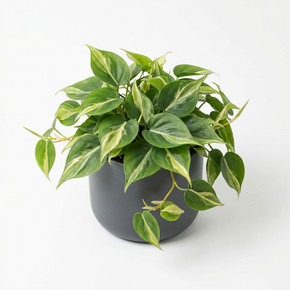
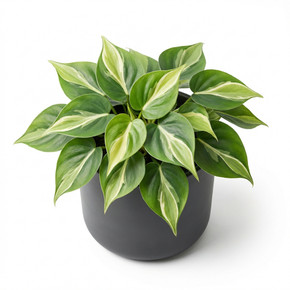
This vining plant features large, glossy, heart-shaped leaves that are dark green with deep burgundy or purple undersides. Its most striking feature is its reddish-pink or burgundy petioles (stems) and young growth, which give the plant its "blushing" name.
Indoors, it can reach a height of 3 to 6 feet when provided with a moss pole or trellis to climb. The leaves themselves can grow up to 10–16 inches in length.
Thrives in bright, indirect sunlight. It can tolerate medium light conditions, but its growth will slow and its vibrant red colors may fade. Direct sunlight should be avoided as it can scorch the waxy leaves.
Allow the top 1 to 2 inches of soil to dry out before watering. It prefers to stay consistently moist but is sensitive to overwatering, which can lead to root rot.
Requires a loose, well-draining potting mix rich in organic matter. A mixture of peat moss, perlite, and orchid bark (an aroid mix) is ideal for providing necessary aeration.
Prefers warm temperatures ranging from 65°F to 80°F (18°C–27°C). As a tropical native, it thrives in high humidity (above 50%), though it can adapt to standard indoor humidity levels.
Apply a balanced, water-soluble liquid fertilizer once a month during the active growing seasons of spring and summer. Reduce feeding in autumn and winter.
Care Level: Easy to Moderate. Maintenance involves occasional pruning to maintain shape, providing a support structure for climbing, and wiping leaves with a damp cloth to keep them free of dust.
It has a relatively fast growth rate under ideal conditions. Propagation is most successful via stem cuttings containing at least one node, which can be rooted in water or moist soil.
Susceptible to common houseplant pests such as mealybugs, spider mites, and scale. Overwatering may lead to yellowing leaves, while low humidity can cause brown tips on the foliage.
Recognized for its air-purifying capabilities, it helps remove common indoor toxins like formaldehyde. It is highly valued for interior decor, providing a sophisticated, architectural look for homes and offices.
Toxic to both humans and pets if ingested. Like many aroids, it contains calcium oxalate crystals, which cause immediate irritation, swelling of the mouth and throat, and digestive distress.
Bring instant tropical drama to your space with Philodendron erubescens. Its burgundy-red stems and glossy leaves elevate modern interiors, while its forgiving nature makes it ideal for busy homes and professional spaces. Style it on a plant stand or let it climb a support for a bold, architectural statement that looks premium all year round.
Common Name: Blushing Philodendron / فيلودندرون
Botanical Name: Philodendron erubescens
Plant Variant: Standard
Color: Red (Stems and undersides)
Plant Country: Unknown
Stems: 1
Family: Araceae
Kingdom: Plantae
Clade: Tracheophytes
Order: Alismatales
Family: Araceae
Genus: Philodendron
Species: Philodendron erubescens
Native to the tropical rainforests of Colombia in South America. It has become widely naturalized in tropical regions worldwide and is a staple in ornamental horticulture.
This vining plant features large, glossy, heart-shaped leaves that are dark green with deep burgundy or purple undersides. Its most striking feature is its reddish-pink or burgundy petioles (stems) and young growth, which give the plant its "blushing" name.
Indoors, it can reach a height of 3 to 6 feet when provided with a moss pole or trellis to climb. The leaves themselves can grow up to 10–16 inches in length.
Thrives in bright, indirect sunlight. It can tolerate medium light conditions, but its growth will slow and its vibrant red colors may fade. Direct sunlight should be avoided as it can scorch the waxy leaves.
Allow the top 1 to 2 inches of soil to dry out before watering. It prefers to stay consistently moist but is sensitive to overwatering, which can lead to root rot.
Requires a loose, well-draining potting mix rich in organic matter. A mixture of peat moss, perlite, and orchid bark (an aroid mix) is ideal for providing necessary aeration.
Prefers warm temperatures ranging from 65°F to 80°F (18°C–27°C). As a tropical native, it thrives in high humidity (above 50%), though it can adapt to standard indoor humidity levels.
Apply a balanced, water-soluble liquid fertilizer once a month during the active growing seasons of spring and summer. Reduce feeding in autumn and winter.
Care Level: Easy to Moderate. Maintenance involves occasional pruning to maintain shape, providing a support structure for climbing, and wiping leaves with a damp cloth to keep them free of dust.
It has a relatively fast growth rate under ideal conditions. Propagation is most successful via stem cuttings containing at least one node, which can be rooted in water or moist soil.
Susceptible to common houseplant pests such as mealybugs, spider mites, and scale. Overwatering may lead to yellowing leaves, while low humidity can cause brown tips on the foliage.
Recognized for its air-purifying capabilities, it helps remove common indoor toxins like formaldehyde. It is highly valued for interior decor, providing a sophisticated, architectural look for homes and offices.
Toxic to both humans and pets if ingested. Like many aroids, it contains calcium oxalate crystals, which cause immediate irritation, swelling of the mouth and throat, and digestive distress.



Take 20% off your first order
Enter the code below at checkout to get 20% off your first order

