




Experience the timeless elegance of the Rose. Perfect for gifting, garden centerpieces, or adding a touch of classic beauty to your home, our premium roses promise breathtaking blooms and enchanting fragrance. Elevate your space with nature's most iconic flower.
Common Name: Rose / Jory (جوري)
Botanical Name: Rosa spp.
Variant: Large-Flowered
Color: Multicolor
Country of Origin: Netherlands
Family: Rosaceae
Kingdom: Plantae
Order: Rosales
Family: Rosaceae
Genus: Rosa
Species: Rosa spp. (including various hybrids and cultivars)
The majority of rose species are native to Asia, with a smaller number of species native to Europe, North America, and northwestern Africa. Today, they are cultivated globally, with the Netherlands being a primary hub for high-quality commercial production and distribution.
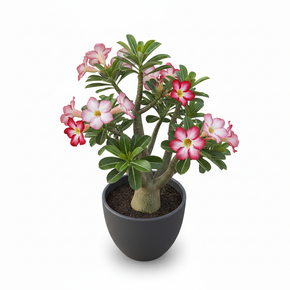
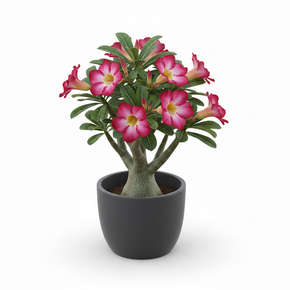
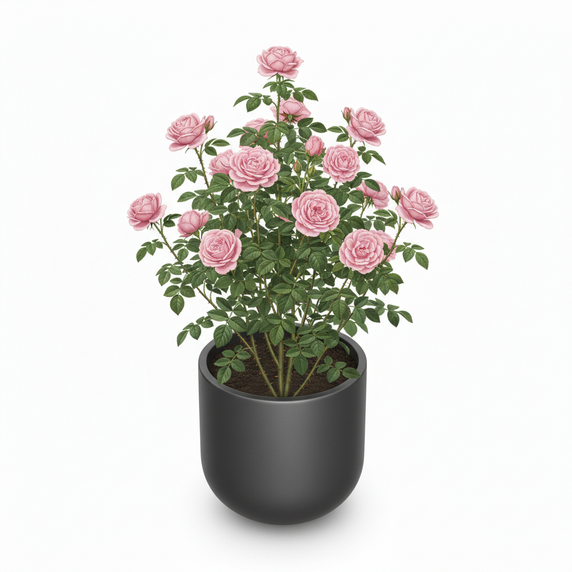
This large-flowered variant features symmetrical, multi-petaled blooms that vary in color from deep reds and pinks to whites and yellows. The stems are woody and typically armed with sharp prickles (often called thorns). The leaves are dark green, glossy, and pinnately compound with serrated edges.
Depending on the specific variety and pruning practices, these roses typically grow to a height of 3 to 5 feet (90-150 cm) and a spread of 2 to 3 feet. Container-grown specimens may be kept smaller through regular maintenance.
Roses require full sun to thrive. For the best bloom production and plant health, they should receive at least 6 to 8 hours of direct sunlight daily. In extremely hot climates, some afternoon shade can prevent petal scorch.
Water deeply and regularly, especially during dry spells. The soil should be kept consistently moist but not waterlogged. It is best to water at the base of the plant to avoid wetting the foliage, which can lead to fungal diseases.
Roses prefer rich, well-draining loamy soil with a slightly acidic to neutral pH (6.0 to 7.0). For potting, use a high-quality potting mix enriched with organic matter or compost to ensure adequate nutrient availability and drainage.
Ideal growing temperatures range from 15°C to 28°C. Roses appreciate moderate humidity. Good air circulation is vital to prevent mildew and other fungal issues, particularly in humid environments.
Roses are heavy feeders. Use a balanced fertilizer (such as 10-10-10) or a specialized rose food every 4–6 weeks during the growing season (spring through early autumn). Discontinue fertilizing in late autumn to allow the plant to harden off for winter.
The maintenance level is moderate to high. Regular care includes deadheading (removing spent blooms) to encourage new flowers, annual pruning to maintain shape and vigor, and monitoring for pests.
Growth is moderate. Roses are commonly propagated through stem cuttings, budding, or grafting onto hardy rootstocks. In a garden setting, they establish relatively quickly when provided with proper nutrients.
Common issues include pests such as aphids, spider mites, and Japanese beetles. They are also susceptible to fungal diseases like black spot, powdery mildew, and rust if air circulation is poor or foliage remains wet.
Primarily used for ornamental purposes in gardens and floral arrangements. Roses are iconic symbols of love and beauty, making them the most popular choice for gifts. Some varieties are used for their fragrance in perfumes or for culinary purposes (rose hips and petals).
Roses are generally considered non-toxic to humans, cats, and dogs. However, the sharp prickles (thorns) on the stems can cause physical injury, so they should be handled with care and kept away from high-traffic areas for small children and pets.
Experience the timeless elegance of the Rose. Perfect for gifting, garden centerpieces, or adding a touch of classic beauty to your home, our premium roses promise breathtaking blooms and enchanting fragrance. Elevate your space with nature's most iconic flower.
Common Name: Rose / Jory (جوري)
Botanical Name: Rosa spp.
Variant: Large-Flowered
Color: Multicolor
Country of Origin: Netherlands
Family: Rosaceae
Kingdom: Plantae
Order: Rosales
Family: Rosaceae
Genus: Rosa
Species: Rosa spp. (including various hybrids and cultivars)
The majority of rose species are native to Asia, with a smaller number of species native to Europe, North America, and northwestern Africa. Today, they are cultivated globally, with the Netherlands being a primary hub for high-quality commercial production and distribution.
This large-flowered variant features symmetrical, multi-petaled blooms that vary in color from deep reds and pinks to whites and yellows. The stems are woody and typically armed with sharp prickles (often called thorns). The leaves are dark green, glossy, and pinnately compound with serrated edges.
Depending on the specific variety and pruning practices, these roses typically grow to a height of 3 to 5 feet (90-150 cm) and a spread of 2 to 3 feet. Container-grown specimens may be kept smaller through regular maintenance.
Roses require full sun to thrive. For the best bloom production and plant health, they should receive at least 6 to 8 hours of direct sunlight daily. In extremely hot climates, some afternoon shade can prevent petal scorch.
Water deeply and regularly, especially during dry spells. The soil should be kept consistently moist but not waterlogged. It is best to water at the base of the plant to avoid wetting the foliage, which can lead to fungal diseases.
Roses prefer rich, well-draining loamy soil with a slightly acidic to neutral pH (6.0 to 7.0). For potting, use a high-quality potting mix enriched with organic matter or compost to ensure adequate nutrient availability and drainage.
Ideal growing temperatures range from 15°C to 28°C. Roses appreciate moderate humidity. Good air circulation is vital to prevent mildew and other fungal issues, particularly in humid environments.
Roses are heavy feeders. Use a balanced fertilizer (such as 10-10-10) or a specialized rose food every 4–6 weeks during the growing season (spring through early autumn). Discontinue fertilizing in late autumn to allow the plant to harden off for winter.
The maintenance level is moderate to high. Regular care includes deadheading (removing spent blooms) to encourage new flowers, annual pruning to maintain shape and vigor, and monitoring for pests.
Growth is moderate. Roses are commonly propagated through stem cuttings, budding, or grafting onto hardy rootstocks. In a garden setting, they establish relatively quickly when provided with proper nutrients.
Common issues include pests such as aphids, spider mites, and Japanese beetles. They are also susceptible to fungal diseases like black spot, powdery mildew, and rust if air circulation is poor or foliage remains wet.
Primarily used for ornamental purposes in gardens and floral arrangements. Roses are iconic symbols of love and beauty, making them the most popular choice for gifts. Some varieties are used for their fragrance in perfumes or for culinary purposes (rose hips and petals).
Roses are generally considered non-toxic to humans, cats, and dogs. However, the sharp prickles (thorns) on the stems can cause physical injury, so they should be handled with care and kept away from high-traffic areas for small children and pets.
Take 20% off your first order
Enter the code below at checkout to get 20% off your first order