


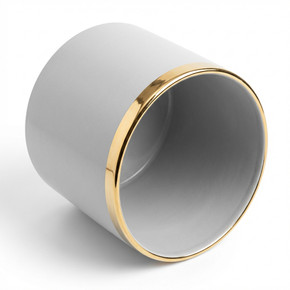




Bring effortless greenery to any room with the Spider Plant—one of the most reliable indoor plants for homes and offices. Its cascading variegated leaves brighten corners, while its famous baby plantlets make it perfect for gifting and propagation. If you want a stylish plant that forgives missed waterings and thrives in everyday indoor light, Chlorophytum comosum is a proven best-seller.
Common Name: Spider Plant
Botanical Name: Chlorophytum comosum
Arabic Name: نبات العنكبوت
Plant Variant: Standard
Plant Color: Multicolor
Plant Country: Unknown
Stems: 1
Family: Asparagaceae
Kingdom: Plantae
Clade: Tracheophytes
Clade: Angiosperms
Clade: Monocots
Order: Asparagales
Family: Asparagaceae
Subfamily: Agavoideae
Genus: Chlorophytum
Species: Chlorophytum comosum
The Spider Plant is native to tropical and southern Africa. Due to its popularity as a resilient houseplant, it has become naturalized in many other tropical and subtropical regions worldwide, including parts of Australia and the Americas.
This plant is characterized by its rosettes of long, thin, arching leaves that can be solid green or variegated with white or cream stripes. It produces long, thin stems called runners or stolons, which feature small, star-shaped white flowers and ultimately develop miniature plantlets known as "pups" or "spiderettes."
Indoors, the Spider Plant typically grows to a height and width of 12 to 15 inches (30 to 38 cm). However, its trailing runners can hang down several feet, making it an ideal candidate for hanging baskets.
Spider Plants prefer bright, indirect sunlight but are remarkably adaptable. They can thrive in medium light and tolerate lower light conditions, although their growth may slow and variegation may become less pronounced. Direct, harsh afternoon sun should be avoided to prevent leaf scorch.
Maintain consistent moisture by watering when the top inch of soil feels dry. They are somewhat drought-tolerant and can forgive occasional missed waterings. Overwatering should be avoided to prevent root rot, and it is beneficial to use filtered water as they can be sensitive to fluoride in tap water.
Use a well-draining, general-purpose potting mix. A mixture containing peat moss, perlite, or pine bark is ideal to ensure adequate aeration and drainage. They prefer being slightly pot-bound but may eventually need repotting when their thick, fleshy roots begin to push out of the soil.
They thrive in standard household temperatures between 55°F and 80°F (13°C - 27°C). While they adapt well to average indoor humidity, they appreciate higher humidity levels, making them excellent plants for bathrooms or kitchens.
During the active growing season (spring and summer), feed the plant once a month with a balanced, water-soluble fertilizer diluted to half-strength. Avoid over-fertilizing, as this can lead to salt buildup and brown leaf tips.
Care Level: Easy. Maintenance involves occasionally trimming off brown leaf tips with clean scissors and removing or propagating the plantlets to manage the plant's size and energy.
Spider Plants are fast growers. Propagation is exceptionally easy; simply snip off the small plantlets that develop on the runners and place them in water or directly into moist soil until they establish their own root systems.
The most common issue is brown leaf tips, which can be caused by low humidity, fluoride or chlorine in tap water, or consistent under-watering. They are relatively pest-resistant but can occasionally attract spider mites, aphids, or whiteflies if the environment is very dry.
The Spider Plant is a top-tier air-purifying plant, famously highlighted by NASA for its ability to remove formaldehyde, xylene, and toluene from the air. Its cascading habit makes it perfect for hanging baskets, high shelves, or as a decorative desk plant.
Chlorophytum comosum is non-toxic to humans, dogs, and cats. It is considered a very safe choice for households with inquisitive pets and children.
Bring effortless greenery to any room with the Spider Plant—one of the most reliable indoor plants for homes and offices. Its cascading variegated leaves brighten corners, while its famous baby plantlets make it perfect for gifting and propagation. If you want a stylish plant that forgives missed waterings and thrives in everyday indoor light, Chlorophytum comosum is a proven best-seller.
Common Name: Spider Plant
Botanical Name: Chlorophytum comosum
Arabic Name: نبات العنكبوت
Plant Variant: Standard
Plant Color: Multicolor
Plant Country: Unknown
Stems: 1
Family: Asparagaceae
Kingdom: Plantae
Clade: Tracheophytes
Clade: Angiosperms
Clade: Monocots
Order: Asparagales
Family: Asparagaceae
Subfamily: Agavoideae
Genus: Chlorophytum
Species: Chlorophytum comosum
The Spider Plant is native to tropical and southern Africa. Due to its popularity as a resilient houseplant, it has become naturalized in many other tropical and subtropical regions worldwide, including parts of Australia and the Americas.
This plant is characterized by its rosettes of long, thin, arching leaves that can be solid green or variegated with white or cream stripes. It produces long, thin stems called runners or stolons, which feature small, star-shaped white flowers and ultimately develop miniature plantlets known as "pups" or "spiderettes."
Indoors, the Spider Plant typically grows to a height and width of 12 to 15 inches (30 to 38 cm). However, its trailing runners can hang down several feet, making it an ideal candidate for hanging baskets.
Spider Plants prefer bright, indirect sunlight but are remarkably adaptable. They can thrive in medium light and tolerate lower light conditions, although their growth may slow and variegation may become less pronounced. Direct, harsh afternoon sun should be avoided to prevent leaf scorch.
Maintain consistent moisture by watering when the top inch of soil feels dry. They are somewhat drought-tolerant and can forgive occasional missed waterings. Overwatering should be avoided to prevent root rot, and it is beneficial to use filtered water as they can be sensitive to fluoride in tap water.
Use a well-draining, general-purpose potting mix. A mixture containing peat moss, perlite, or pine bark is ideal to ensure adequate aeration and drainage. They prefer being slightly pot-bound but may eventually need repotting when their thick, fleshy roots begin to push out of the soil.
They thrive in standard household temperatures between 55°F and 80°F (13°C - 27°C). While they adapt well to average indoor humidity, they appreciate higher humidity levels, making them excellent plants for bathrooms or kitchens.
During the active growing season (spring and summer), feed the plant once a month with a balanced, water-soluble fertilizer diluted to half-strength. Avoid over-fertilizing, as this can lead to salt buildup and brown leaf tips.
Care Level: Easy. Maintenance involves occasionally trimming off brown leaf tips with clean scissors and removing or propagating the plantlets to manage the plant's size and energy.
Spider Plants are fast growers. Propagation is exceptionally easy; simply snip off the small plantlets that develop on the runners and place them in water or directly into moist soil until they establish their own root systems.
The most common issue is brown leaf tips, which can be caused by low humidity, fluoride or chlorine in tap water, or consistent under-watering. They are relatively pest-resistant but can occasionally attract spider mites, aphids, or whiteflies if the environment is very dry.
The Spider Plant is a top-tier air-purifying plant, famously highlighted by NASA for its ability to remove formaldehyde, xylene, and toluene from the air. Its cascading habit makes it perfect for hanging baskets, high shelves, or as a decorative desk plant.
Chlorophytum comosum is non-toxic to humans, dogs, and cats. It is considered a very safe choice for households with inquisitive pets and children.
Take 20% off your first order
Enter the code below at checkout to get 20% off your first order