


Thymus vulgaris
Bring the timeless flavor and fragrance of the Mediterranean to your home with our premium Common Thyme plant. Perfect for the sunny kitchen windowsill or a patio herb garden, this essential culinary herb is ready for you to harvest and add a fresh, aromatic punch to your favorite recipes. It’s incredibly easy to care for—thriving on sunlight and minimal water—making it the ideal choice for both novice gardeners and seasoned chefs. Grow your own flavor today!
1. Basic Identification
Common Name: Common Thyme
Botanical Name: Thymus vulgaris
Former Name: Not available
Plant Type: Culinary Herb, Evergreen Perennial
Plant Code / SKU: PLT-1725
Alternative Names:
Garden Thyme
English Thyme
تيفيشة
2. Taxonomy & Classification
Order: Lamiales
Family: Lamiaceae
Genus: Thymus
3. Origin & Distribution
Native Range: Southern Europe and the Mediterranean region.
Distribution: Widely cultivated and naturalized in temperate climates worldwide.
4. Visual Characteristics
Leaves: Small, aromatic, grey-green, narrowly ovate to linear, and slightly hairy on the underside.
Stems: Woody at the base with tender, herbaceous new growth. Stems are thin and wiry.
Flowers: Small, two-lipped flowers in shades of lilac, pale pink, or white, appearing in dense clusters (whorls) in late spring to early summer.
Overall Form: A low-growing, mounding subshrub.
5. Size & Dimensions
Height: 15–30 cm (6–12 inches)
Width/Spread: 20–40 cm (8–16 inches)
6. Light Requirements
Optimal: Full sun. Requires at least 6 hours of direct sunlight per day for the best growth, flavor, and oil production.
7. Watering Needs
Watering Frequency: Water thoroughly when the top 2-3 cm (1 inch) of soil is dry. It is drought-tolerant once established.
Watering Method: Avoid overwatering as it is highly susceptible to root rot. Allow soil to dry out between waterings.
8. Soil & Potting
Soil Type: Prefers light, well-draining, sandy or gritty soil.
pH Range: Thrives in neutral to slightly alkaline soil (pH 6.0 to 8.0).
Potting Mix: Use a fast-draining mix, such as a cactus/succulent mix or a standard potting soil amended with sand or perlite. Ensure pots have excellent drainage.
9. Temperature & Humidity
Temperature: Prefers warm, dry conditions. It is hardy and can tolerate light frosts, typically surviving in USDA zones 5-9.
Humidity: Prefers low to average humidity. Good air circulation is important to prevent fungal diseases.
10. Fertilization
Frequency: Thyme requires minimal fertilization. Over-fertilizing can reduce its aromatic oil concentration and lead to weak, leggy growth.
Type: If needed, apply a balanced, slow-release fertilizer at half-strength once in the early spring.
11. Maintenance & Care Level
Care Level: Easy / Low.
Pruning: Prune back stems after flowering or in early spring to encourage bushier growth and prevent the plant from becoming too woody. Regular harvesting also serves as pruning.
12. Growth & Propagation
Growth Rate: Moderate.
Propagation Methods: Easily propagated from seeds, stem cuttings (softwood or semi-hardwood), or by dividing established plants in the spring.
13. Common Problems
Pests: Generally pest-resistant due to its essential oils. Can occasionally be affected by spider mites or aphids, especially if stressed or grown indoors.
Diseases: The most common problem is root rot caused by overwatering and poorly drained soil. Gray mold and other fungal issues can occur in overly humid conditions with poor air circulation.
14. Benefits & Uses
Culinary: A staple herb used fresh or dried to flavor soups, stews, sauces, roasted meats, vegetables, and stuffings.
Ornamental: Excellent for rock gardens, herb gardens, borders, and as a container plant. Its flowers are attractive to pollinators.
Aromatic/Medicinal: The essential oil, thymol, has antiseptic and antibacterial properties. It is used in aromatherapy, traditional medicine, and some commercial products.
15. Toxicity & Safety
Human Safety: Safe for human consumption in typical culinary amounts.
Pet Safety: Non-toxic to cats, dogs, and horses according to the ASPCA.
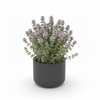
Thymus vulgaris

Bring the timeless flavor and fragrance of the Mediterranean to your home with our premium Common Thyme plant. Perfect for the sunny kitchen windowsill or a patio herb garden, this essential culinary herb is ready for you to harvest and add a fresh, aromatic punch to your favorite recipes. It’s incredibly easy to care for—thriving on sunlight and minimal water—making it the ideal choice for both novice gardeners and seasoned chefs. Grow your own flavor today!
1. Basic Identification
Common Name: Common Thyme
Botanical Name: Thymus vulgaris
Former Name: Not available
Plant Type: Culinary Herb, Evergreen Perennial
Plant Code / SKU: PLT-1725
Alternative Names:
Garden Thyme
English Thyme
تيفيشة
2. Taxonomy & Classification
Order: Lamiales
Family: Lamiaceae
Genus: Thymus
3. Origin & Distribution
Native Range: Southern Europe and the Mediterranean region.
Distribution: Widely cultivated and naturalized in temperate climates worldwide.
4. Visual Characteristics
Leaves: Small, aromatic, grey-green, narrowly ovate to linear, and slightly hairy on the underside.
Stems: Woody at the base with tender, herbaceous new growth. Stems are thin and wiry.
Flowers: Small, two-lipped flowers in shades of lilac, pale pink, or white, appearing in dense clusters (whorls) in late spring to early summer.
Overall Form: A low-growing, mounding subshrub.
5. Size & Dimensions
Height: 15–30 cm (6–12 inches)
Width/Spread: 20–40 cm (8–16 inches)
6. Light Requirements
Optimal: Full sun. Requires at least 6 hours of direct sunlight per day for the best growth, flavor, and oil production.
7. Watering Needs
Watering Frequency: Water thoroughly when the top 2-3 cm (1 inch) of soil is dry. It is drought-tolerant once established.
Watering Method: Avoid overwatering as it is highly susceptible to root rot. Allow soil to dry out between waterings.
8. Soil & Potting
Soil Type: Prefers light, well-draining, sandy or gritty soil.
pH Range: Thrives in neutral to slightly alkaline soil (pH 6.0 to 8.0).
Potting Mix: Use a fast-draining mix, such as a cactus/succulent mix or a standard potting soil amended with sand or perlite. Ensure pots have excellent drainage.
9. Temperature & Humidity
Temperature: Prefers warm, dry conditions. It is hardy and can tolerate light frosts, typically surviving in USDA zones 5-9.
Humidity: Prefers low to average humidity. Good air circulation is important to prevent fungal diseases.
10. Fertilization
Frequency: Thyme requires minimal fertilization. Over-fertilizing can reduce its aromatic oil concentration and lead to weak, leggy growth.
Type: If needed, apply a balanced, slow-release fertilizer at half-strength once in the early spring.
11. Maintenance & Care Level
Care Level: Easy / Low.
Pruning: Prune back stems after flowering or in early spring to encourage bushier growth and prevent the plant from becoming too woody. Regular harvesting also serves as pruning.
12. Growth & Propagation
Growth Rate: Moderate.
Propagation Methods: Easily propagated from seeds, stem cuttings (softwood or semi-hardwood), or by dividing established plants in the spring.
13. Common Problems
Pests: Generally pest-resistant due to its essential oils. Can occasionally be affected by spider mites or aphids, especially if stressed or grown indoors.
Diseases: The most common problem is root rot caused by overwatering and poorly drained soil. Gray mold and other fungal issues can occur in overly humid conditions with poor air circulation.
14. Benefits & Uses
Culinary: A staple herb used fresh or dried to flavor soups, stews, sauces, roasted meats, vegetables, and stuffings.
Ornamental: Excellent for rock gardens, herb gardens, borders, and as a container plant. Its flowers are attractive to pollinators.
Aromatic/Medicinal: The essential oil, thymol, has antiseptic and antibacterial properties. It is used in aromatherapy, traditional medicine, and some commercial products.
15. Toxicity & Safety
Human Safety: Safe for human consumption in typical culinary amounts.
Pet Safety: Non-toxic to cats, dogs, and horses according to the ASPCA.