


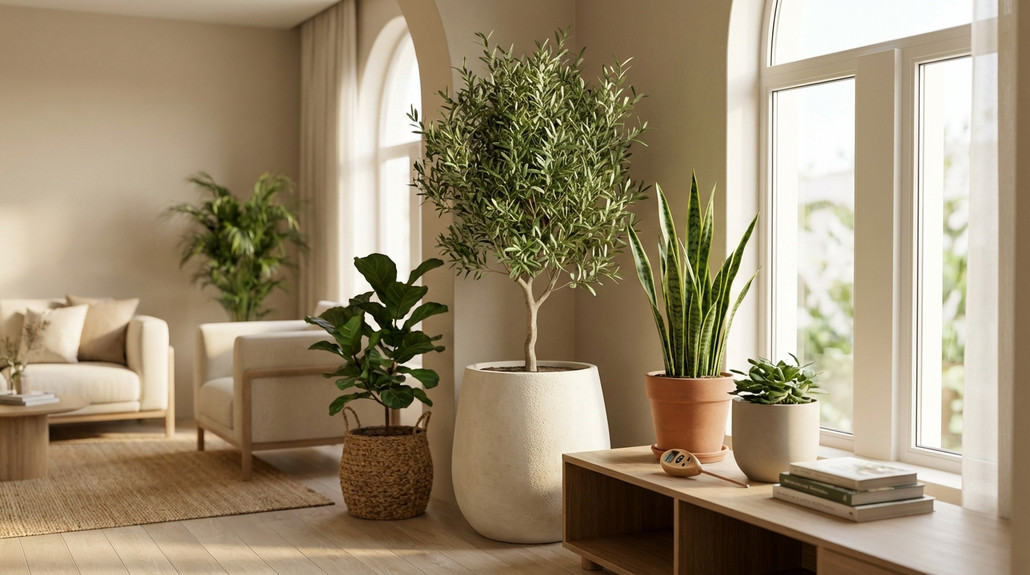
How Indoor Plants Behave Differently in Hot Climates in Saudi Arabia Homes
Posted by Mozher Experts on 20.02.26
The Reality of Heat and AC Inside Saudi Homes
Step into a typical Saudi home in July. Outside temperatures push past 45°C. Inside, the AC runs almost constantly. Curtains are drawn against harsh sun, windows stay closed, and airflow depends on vents rather than breeze. This environment shapes how house plants behave far more than most beginners expect.
Heat alone is not the main issue. It is the combination of intense exterior heat and dry, cooled indoor air. Air conditioners strip moisture from the air. Humidity often drops below what many tropical indoor plants are adapted to. Leaves lose moisture faster, soil dries unevenly, and roots experience repeated stress cycles. Even hardy indoor plants Saudi Arabia homeowners love can decline if placed directly under a vent.
Light also behaves differently here. Bright sun through glass becomes magnified heat. A plant that tolerates direct sun in Europe may scorch behind a south-facing window in Riyadh. Meanwhile, rooms with heavy curtains can become too dim for growth.
If you want a deeper breakdown of these patterns, review this regional analysis: how indoor plants respond to hot Saudi homes. Understanding this climate context prevents most beginner mistakes before they happen.
Light Intensity: Stronger Than You Think
Light in Saudi Arabia is powerful. Even filtered daylight can be intense compared to temperate climates. Many house plants fail not from lack of water, but from light misjudgment.
Glass Amplifies Heat
Direct sun through windows increases leaf temperature significantly. Leaves can scorch even when soil is moist. Brown patches that look like dryness are often light burn. Move sensitive plants one to two meters away from direct exposure, especially during peak afternoon hours.
Dim Interiors Create Slow Decline
On the opposite side, heavily shaded living rooms create low-energy conditions. Plants stretch, leaves shrink, and growth stalls. Before buying, assess your space honestly. Mozher’s plant selection by light exposure helps match plants to realistic indoor conditions rather than ideal ones.
In AC-heavy apartments, bright indirect light is usually the safest baseline. Rotate plants monthly so one side does not lean permanently toward the window.
Watering in Dry Air: Why Old Rules Fail
“Water once a week” does not work here. AC changes evaporation speed. Soil may dry quickly at the surface while remaining wet deeper down. This confuses many owners.
Surface Dry Does Not Mean Root Dry
In Saudi homes, the top layer often crusts from airflow. Beginners water again too soon, leading to root rot. Always check deeper moisture before adding water.
A simple tool like a soil moisture meter for accurate watering removes guesswork. It helps you see what your eyes cannot.
Overwatering Is More Common Than Underwatering
Because leaves look dry in low humidity, people assume the plant needs more water. Often it needs better humidity management or a position away from AC vents. Constantly wet soil in warm indoor temperatures becomes a breeding ground for fungal issues.
Use pots with drainage holes and allow partial drying between watering sessions. Consistency matters more than frequency.
Humidity, Airflow, and Vent Placement
Air conditioners reduce humidity to very low levels. Many tropical house plants evolved in humid understories. In dry air, leaf edges brown even when watering is correct.
Avoid Direct AC Exposure
Cold, dry air blowing directly on foliage causes dehydration and shock. Relocate plants at least one meter away from vents. If that is not possible, redirect airflow upward.
Microclimates Work Better Than Random Spraying
Misting leaves briefly raises surface moisture but does not solve dry air long term. Grouping plants together increases local humidity naturally. Bathrooms with natural light can also support certain species better than living rooms.
For species selection that tolerates variable humidity, explore resilient options under climate-tolerant indoor varieties. Hardier plants adapt more easily to fluctuating AC cycles.
Soil and Pots: Drainage Is Survival
In hot climates, root health determines plant survival. Poor soil suffocates roots quickly when combined with indoor heat.
Dense Soil Holds Too Much Moisture
Heavy mixes stay wet in lower layers while the surface appears dry. Use well-aerated soil that drains freely. This reduces fungal risk and improves oxygen flow to roots.
Pot Material Affects Moisture
Plastic retains moisture longer. Terracotta dries faster due to evaporation through the walls. Choose based on your watering habits and room temperature. If your AC runs constantly, moderate retention is usually safer than extremely fast drying.
Proper containers matter. Browse functional, breathable indoor plant pots with drainage designed for healthy root systems. The right pot prevents many common failures.
Acclimation After Delivery or Relocation
Moving a plant from nursery shade to a bright apartment is a shock. The same applies when relocating between rooms. Leaves may yellow or drop during the first two weeks.
Gradual Adjustment Reduces Stress
Introduce brighter light slowly. Increase exposure over several days. Avoid repotting immediately after purchase unless roots are severely bound.
Temperature Stability Matters
Keep plants away from entry doors where hot air rushes in. Sudden temperature swings stress roots and foliage.
If you are building your collection, start with proven performers from popular indoor plant selections. These varieties have shown stable adaptation in local homes.
Quick-Start Checklist for Beginners
- Place plants away from direct AC airflow.
- Confirm light intensity before choosing species.
- Check soil moisture below the surface, not just on top.
- Use pots with drainage holes.
- Allow new plants two weeks to adjust before making changes.
- Rotate plants monthly for balanced growth.
For foundational care practices, review structured guidance inside the indoor plant care knowledge hub. It organizes care by real-world conditions rather than generic advice.
Common Myths vs Reality in Saudi Homes
| Myth | Reality |
|---|---|
| Plants die mainly from heat. | Indoor plants usually suffer more from dry AC air and poor watering balance. |
| If leaves are brown, add more water. | Brown edges often signal low humidity or airflow stress. |
| All bright windows are good for plants. | Midday sun through glass can burn foliage quickly. |
| Misting fixes dryness. | Humidity management requires positioning and grouping, not occasional spray. |
For further scientific insight into plant water relations, university extension resources such as the University of Florida IFAS Extension and the Royal Horticultural Society provide reliable horticultural research.
Frequently Asked Questions
Why do my house plants dry out quickly under AC?
Air conditioners reduce humidity and increase evaporation from leaves and soil. Even if you water regularly, dry air accelerates moisture loss. Adjust placement and monitor soil depth before increasing watering frequency.
Can indoor plants survive near sunny windows in Saudi Arabia?
Yes, but distance matters. Many species need bright indirect light rather than direct midday sun. Use sheer curtains or move plants slightly away from glass to prevent leaf scorch.
How often should I water indoor plants in Saudi Arabia?
There is no fixed schedule. Water based on soil dryness at root level. In summer with heavy AC use, evaporation patterns change. Always check moisture before watering.
What are the easiest indoor plants for beginners here?
Hardy, adaptable varieties that tolerate variable humidity and light shifts perform best. Choose species known for resilience and match them carefully to your room’s light conditions.
When you understand how heat, AC, light, and soil interact, plant care becomes predictable. Most losses are preventable with small adjustments. Once you read your environment correctly, house plants become stable, long-term companions rather than seasonal experiments.